This post contains affiliate links. As an Amazon Associate I earn from qualifying purchases, at no extra cost to you.
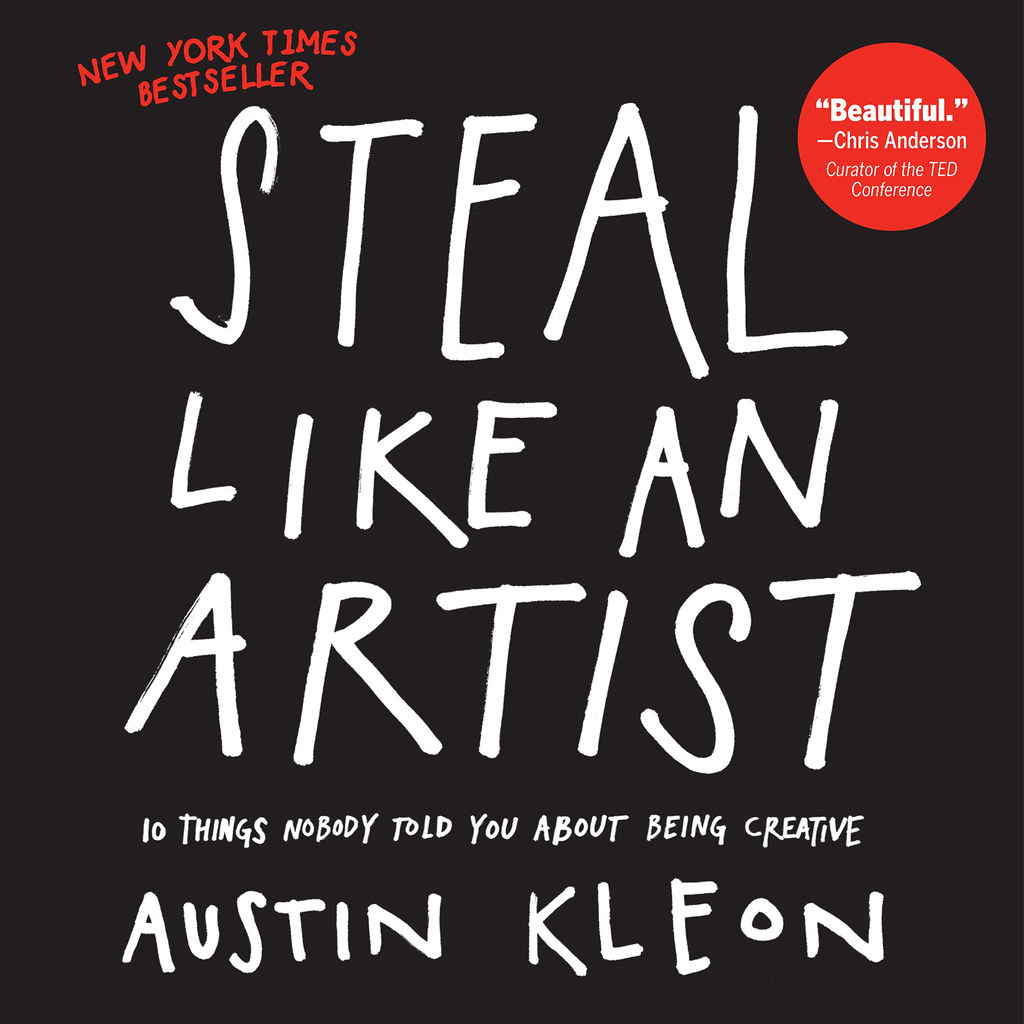
Cover image: Austin Kleon / Workman Publishing (author blogger kit; free for online use with attribution). More: steallikeanartist.com.
Is It Worth Reading? (this essay, and the book at the end)
This isn’t a five-step morning routine. The old URL still pretends it is. Ignore that. What I actually care about: reading as active mental work — the kind that makes you better at sitting with a hard problem instead of tapping away the second it gets uncomfortable.
Bottom Line
If you’ve been treating books like homework you never start, steal one idea from below and try it this week. If you want a short creative-thinking companion, Austin Kleon’s Steal Like an Artist is the book I’d point you toward — not as “homework,” as a sharp afternoon read.
Your brain on books versus your brain on everything else
Most of what competes for attention — social feeds, news alerts, short video — is built for passive intake. You react, you scroll, you leave.
Reading is different. Even light fiction asks your brain to build images, track people, follow cause and effect, and hold more than one thread. That isn’t vibes. That’s practice.
Do it regularly and the boring-sounding benefits show up: wider vocabulary, better pattern spotting, more patience with complexity. The patience piece is the underrated one. Creative breakthroughs are rarely lightning. They’re usually “I stayed with this long enough to see it sideways.”
What creative thinking looks like in practice
Creativity isn’t a personality badge. It’s connecting things that don’t obviously belong together. Wide reading stockpiles the raw material. A book on cities might reframe a workflow mess. A novel might hand you language for a family knot you’ve been circling. History might shrink a decision that feels uniquely catastrophic.
People who read widely aren’t magic. They just have more mental models on the shelf when something breaks at work.
Five habits I see in people who keep reading
Not a life-hack list. Just patterns worth stealing:
1. They sit with discomfort longer. A slow chapter trains the same muscle as a stubborn problem.
2. They rehearse other people’s perspectives. Fiction especially — hours inside someone else’s logic.
3. They watch how experts think, not just what they conclude. Good nonfiction is a process demo.
4. They have more ways to say the thing. Broader references make conversations outside your lane less scary.
5. They recover better. Fiction especially can lower the stress dial — restoration, not just distraction. (I’m not waving a lab coat here; treat it as a useful hunch backed by a fair bit of popular research, not a clinical claim.)
The book I’d point you toward
Austin Kleon’s Steal Like an Artist is short, funny, and allergic to “follow these five steps” energy — which is why it fits this post better than the old slug ever did. It reframes creative work as collecting, combining, and showing up, not waiting for originality to descend from a cloud.
Mild criticism: it’s a manifesto more than a deep dive. If you want dense research, look elsewhere. If you want something you’ll actually finish on a Sunday, this is the one.
Formats: Kindle · Paperback · Audible search
Practical takeaway
You don’t need a reading system. Finish one book you’re curious about. Let it sit in the background of your week. That’s less dramatic than five steps. It also works.
Read More, Stress Less.
